Need help?
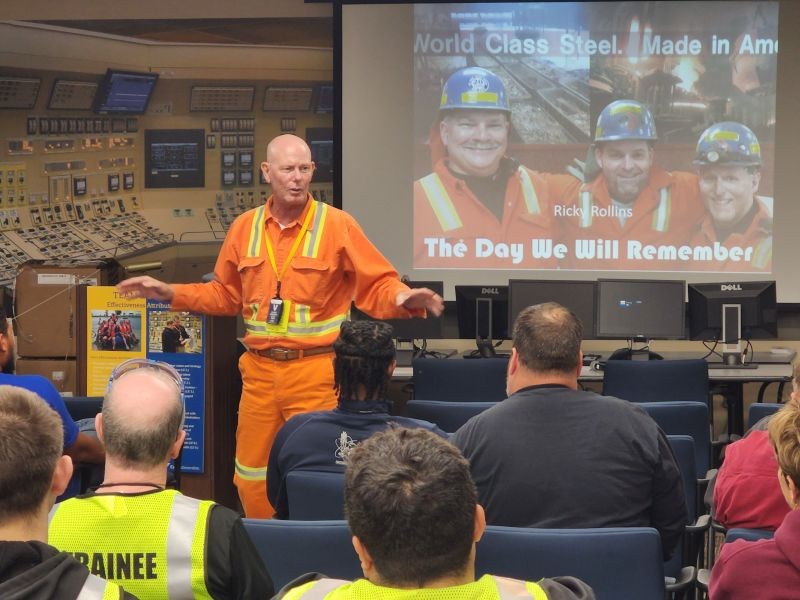
Safety can feel boring when it is just rules and long talks. But stories make safety easy and fun to understand. When people hear real-life experiences, they pay attention and remember better. That is why Keynote Safety Speaker Storytelling works so well. It helps teams better understand simple safety lessons. Instead of just listening, workers feel the message. This makes them more careful, more aware, and more ready to stay safe every day at work.
Table of Contents
- Why Safety Stories Matter
- How Stories Change What Teams Do
- How Stories Build a Caring Team
- Simple Tips to Use Safety Stories
- FAQs
- Final Thoughts
Why Safety Stories Matter
When we use Keynote Safety Speaker Storytelling, we turn safety into something real. Workers do not just hear rules. They hear what really happened to someone.
We know people learn better with stories. Stories are like pictures in our minds. They help us see what can go wrong and how to stay safe.
Here is why stories help:
- They are easy to understand
- They are easy to remember
- They make people feel careful
- They help workers think before acting
When people feel a story, they take safety seriously.
How Stories Change What Teams Do
Stories can change how people act. When workers hear about real accidents, they think, “This could happen to me.” That thought is powerful.
At our team, we share true stories that come from real life. Ricky Rollins is known for sharing real and emotional safety stories. After surviving a serious accident at work, he learned a lesson that he believes everyone should take seriously.
This makes workers stop and think. They become more careful. They follow rules better.
Here is what changes:
- Workers pay more attention
- They stop taking risks
- They help each other stay safe
- They remember safety every day
Stories stay in the heart. That is why they work so well.
How Stories Build a Caring Team
A good team cares for each other. Safety is not just about rules. It is about people. When we share stories, teams feel closer. They understand that one mistake can hurt someone. This makes them kinder and more careful.
Over time, this helps teams:
- Work together better
- Talk more about safety
- Watch out for each other
- Build trust at work
A caring team is a safe team. Stories help build that care.
Simple Tips to Use Safety Stories
You can use storytelling in your workplace, too. It is simple.
- Keep It Real: Use true stories. People trust real things more.
- Keep It Short: Do not make stories too long. Simple stories are better.
- Share the Lesson: Always tell what we can learn from the story.
- Let Others Talk: Ask workers to share their own stories. This builds trust.
- Use It Often: Don’t share a story only once; repeat it. Keep using them again and again.
Small efforts can bring big improvements.
Why We Believe in This
We believe safety should touch the heart, not just the mind. That is why we use Keynote Safety Speaker Storytelling in our work.
We share real stories that people never forget. We want every worker to stay safe and go home happy. That is our goal every single day.
FAQs
Q1. What is keynote safety speaker storytelling?
Ans – It means telling real safety stories to teach workers. These stories help people understand danger better. They remember lessons easily and use them at work to stay safe every day.
Q2. Why are stories better than safety rules?
Ans – Stories are easier to remember than rules. They make people feel emotions. When workers feel something, they take safety more seriously and act carefully while doing their daily work tasks.
Q3. Can stories really stop accidents?
Ans – Stories can help reduce accidents. They make workers think before acting. When people understand real risks, they avoid unsafe actions and follow safety steps more carefully at work.
Q4. Who should listen to safety stories?
Ans – All workers can benefit from safety stories. People in construction, factories, and offices can learn from them. Anyone who wants to stay safe at work should listen and learn from real experiences.
Q5. How often should safety stories be shared?
Ans – Safety stories should be shared often. Weekly or monthly sessions work well. Regular storytelling helps workers remember lessons, stay alert, and keep safety in mind while doing their daily tasks.
Let’s Keep Everyone Safe
Safety is for everyone. Stories help us learn in a simple way. They help us care for each other.
We are here to help teams learn through real stories. If you want your team to stay safe and strong, connect with us today. Let us make safety easy and real together!